Thomas McAtee | Shutterstock
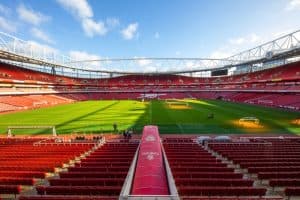
Arsenal are exploring ambitious plans to expand and modernise the Emirates Stadium, with the club considering a major redevelopment that could increase capacity from 60,704 seats to over 70,000. The project would represent one of the biggest stadium upgrades in the Premier League and could transform the matchday experience for supporters.
The club has reopened discussions with Populous, the global stadium design company that originally worked on the Emirates Stadium before its opening in 2006. With experience delivering some of the world’s most advanced sporting venues, Populous could play a key role in helping Arsenal overcome the complex challenges involved in expanding a stadium built within a tight urban location.
Why Arsenal Want to Expand the Emirates Stadium
The Emirates Stadium has been Arsenal’s home for almost two decades after the club moved from Highbury in 2006. The £390 million stadium was considered one of the most modern football grounds in Europe when it opened, but changing expectations in football have created pressure for further improvements.
Arsenal currently have a season ticket waiting list of more than 100,000 supporters, highlighting the huge demand for matchday tickets. Increasing capacity would allow more fans to attend games while also creating a significant new source of revenue for the club.
The expansion is not only about adding seats. Arsenal are also looking at ways to improve hospitality areas, facilities and the overall matchday experience. The club’s ownership group has highlighted the importance of maintaining the Emirates’ modern qualities while bringing back some of the atmosphere and character associated with Highbury.
Arsenal’s Plans for a 70,000+ Seat Emirates Stadium
🚨 Arsenal is advancing plans to expand Emirates Stadium to over 70,000 seats, potentially up to 80,000 by 2028. The £400-500m project, led by KSE and Populous, may see the Gunners temporarily relocate to Wembley for 12-18 months during construction. pic.twitter.com/poxKFEs0F5
— Fan Arsenal Team (@_ArsenalTeam) October 7, 2025
Several different expansion options are being considered at present. One possibility is changing the gradient of the existing stands, making them steeper and allowing more rows of seating to be added without significantly altering the outside appearance of the stadium.
Another option would involve adding an additional tier to parts of the stadium. However, this would be a much more complicated project because it could require major structural changes, including removing sections of the roof while construction takes place.
A further idea is lowering the pitch and creating additional seating beneath the existing lower tier. While this could increase capacity, it would be extremely difficult due to underground infrastructure, including transport links, tunnels and other services beneath the stadium. Needless to say, all possible options will be assessed extensively, given how costly any change would be.
The Challenges of Expanding a Stadium in Islington
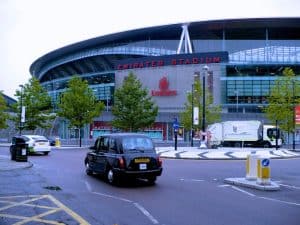
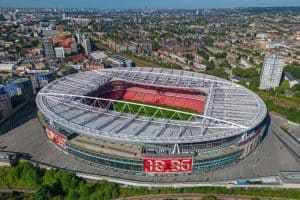
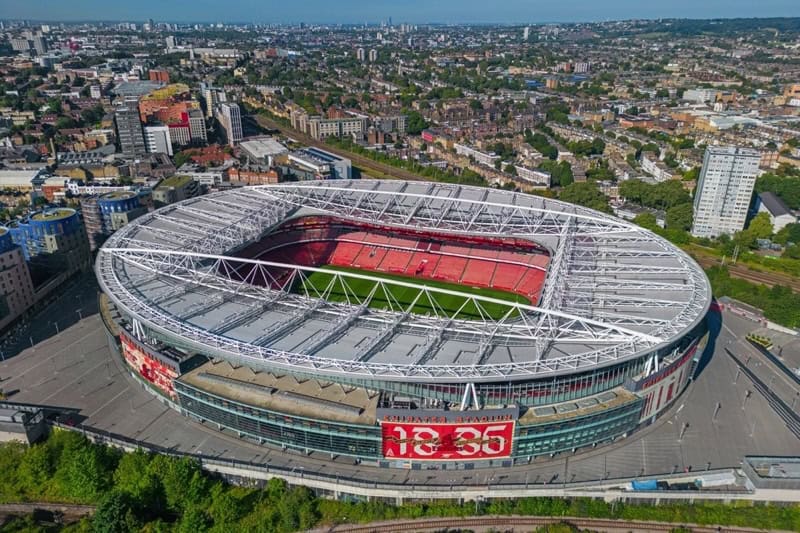
One of the biggest problems facing Arsenal is the Emirates Stadium’s location. Unlike some modern stadiums built on large areas of unused land on the outskirts of town, for example, the Allianz Arena (Bayern Munich), the Emirates is surrounded by residential areas, railway lines and busy transport networks in Islington.
Any redevelopment would need to consider the impact on local residents and businesses. Arsenal would likely need approval from local authorities and would have to work closely with community groups before construction could begin.
Transport is another major concern. Nearby stations such as Arsenal, Finsbury Park and Drayton Park already experience significant pressure on matchdays. A larger stadium would create bigger crowds, meaning improvements to public transport and surrounding infrastructure could be required. There is no doubt the Gunners could easily fill a much bigger stadium, but local infrastructure would struggle to cope with an extra 10,000+ fans every time Arsenal have a home game.
Could Arsenal Move to Wembley During Construction?
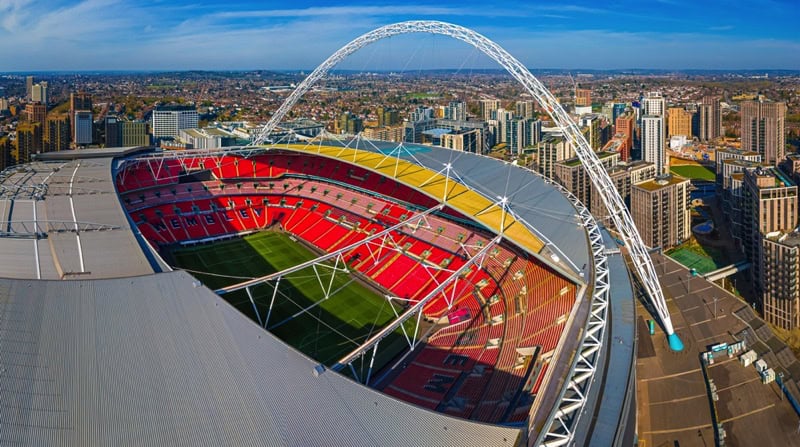
A major redevelopment of the Emirates may well create disruption for Arsenal supporters. If extensive building work takes place, the club would likely need to temporarily relocate home matches to another venue. The obvious alternative would be Wembley Stadium, which has previously hosted major football events and has the required capacity and facilities for a club of Arsenal’s size.
However, a temporary move would come with financial and sporting challenges. Playing away from the Emirates could affect the atmosphere and performances, just like it did when playing Champions League games there across 1998/99 and 1999/00. There is also the cost element to it. When Tottenham temporarily moved to Wembley, rent set them back around £20m a year. Needless to say, rising costs since then will mean Arsenal’s figure would be even higher.
There is, of course, the geographically more convenient option of moving to the Tottenham Hotspur stadium, but it is difficult to see any deal being done here given the rivalry between the two teams.
The Financial Impact of the Emirates Stadium Expansion
The proposed redevelopment is expected to be a major financial investment, with estimates suggesting the total cost could exceed £500 million. This would make the expansion more expensive than the original construction of the Emirates Stadium. Despite the huge cost, the project could deliver substantial long-term benefits. A larger stadium would increase matchday income through additional ticket sales, premium seating and improved hospitality options.
Industry estimates suggest stadium-related revenue could eventually rise significantly, potentially reaching between £200 million and £250 million annually. This would help Arsenal compete financially with Europe’s biggest clubs and strengthen their position both domestically and internationally.
This figure may seem large but an increase in size and facilities would make the Emirates a more attractive venue for concerts, other sporting events, etc. While the nearby Tottenham Hotspur Stadium has established itself as a leading events venue, London’s status as a global entertainment hub means there is enough demand for another world-class stadium.
Expected Timeline for the Emirates Stadium Expansion

At the time of writing, Arsenal have not announced a confirmed construction timeline, and the project remains in the planning and assessment stage. Before any building work begins, the club will need to finalise designs, secure approvals and work with local authorities on the wider infrastructure improvements required around the stadium.
Given the scale and complexity of the redevelopment, the process is expected to take several years. Planning discussions, consultations with supporters and residents, and detailed engineering work could take a significant amount of time before construction starts. Some reports suggest the planning phase alone could take several years. If Arsenal proceed with the most ambitious proposals, supporters may not see a completed 70,000+ seat Emirates Stadium until at least the early 2030s.